
The Plain White Box Test
The boxes never look like anything.
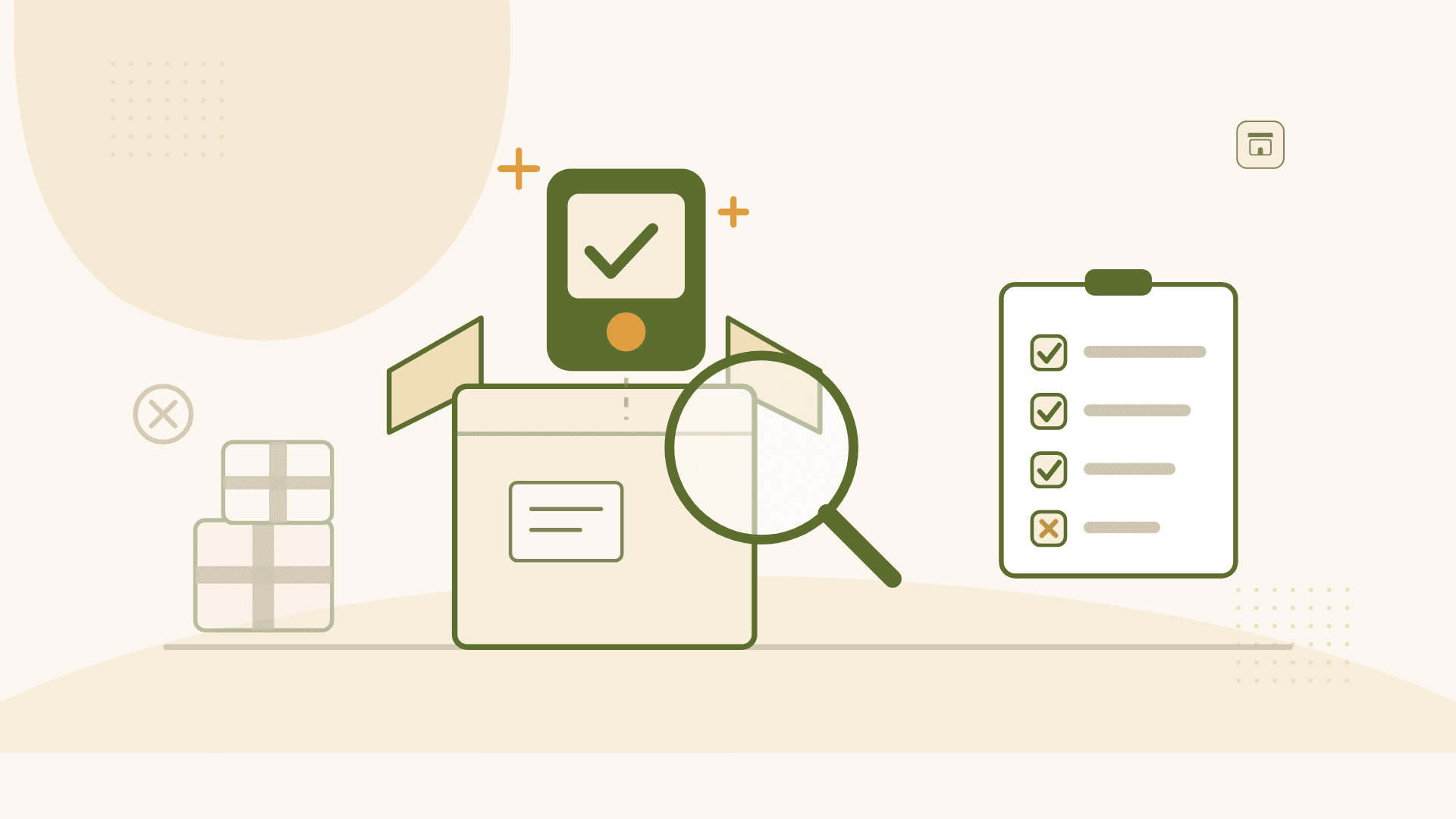
A sample arrives wrapped in three layers of brown tape, inside a carton with a shipping label and nothing else. No logo. No manual. No brand name on the product itself, usually just a moulded seam and a sticker with a model number that means nothing to anyone outside the factory that made it.
That plain white box is the most honest moment in this whole business. Because everything you saw before it, the fifteen second video, the slow-motion demo, the comment section full of people saying they ordered two, was made by someone who wanted you to feel something fast. The box is the first time the product has to speak for itself.
I have opened enough of them now to have a rule about it.
The video is not the product
Here is the thing nobody tells you about trending products: the video is a product in its own right. Someone designed it. They chose the angle, the lighting, the exact three seconds where the thing works best, and they cut before the part where it doesn't.
That isn't always dishonest. Plenty of genuinely good products get sold with a good video. But it does mean that watching the video tells you almost nothing about whether the object is worth owning. It tells you the video is worth watching.
So the first thing we do with a sample is put the video away and use the thing like a normal person would. Not the demo use. The Tuesday use. If it is a kitchen gadget, it gets used on a Tuesday evening when nobody is filming and nobody is patient. If it is something you are supposed to carry, it goes in a bag and gets forgotten about for a week.
A surprising number of products fail right there, at the stage of ordinary boredom.
The four questions
Over time this settled into four questions. They are not sophisticated. They are just the four things that have actually predicted whether something was worth listing.
Does it survive the second week?
Almost anything works on day one. The interesting question is whether it still works after the novelty wears off and the battery has been through a few cycles. Cheap motors get louder. Cheap hinges develop play. Cheap suction cups stop sucking. A product that is visibly worse in week two is a product that is going to generate a return, and on a small store a return is not a line item, it is a real hole in the month.
Would I give it to someone whose opinion I care about?
This one is embarrassingly effective. It is very easy to talk yourself into listing something on the grounds that it is cheap and people seem to want it. It is much harder to imagine handing it to your sister and watching her face while she opens it. If I flinch at that image, the product doesn't get listed.
Can I explain what it is for in one sentence, without the word "aesthetic"?
Some viral products are genuinely useful. Some are decorative. Both are fine. The problem is the third category: things that pretend to be useful, do the useful thing badly, and are not attractive enough to justify themselves as decoration. Those are the products that feel like a waste of money about four days after they arrive, and that feeling attaches itself to the shop that sold it to you, not to the factory that made it.
Is the packaging going to survive Indian logistics?
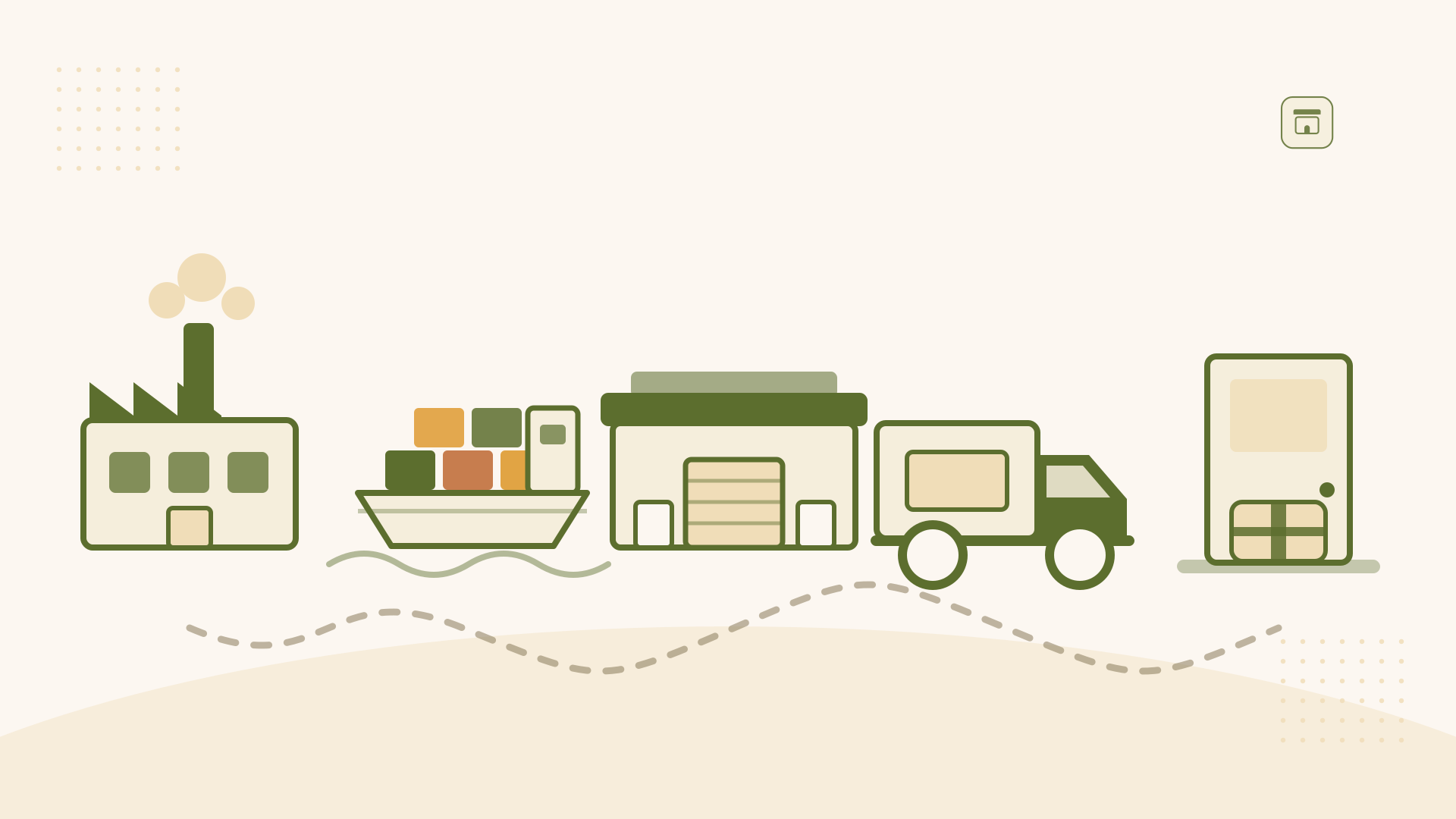
This is the least glamorous question and it disqualifies more samples than the other three combined. A product can be perfectly good and still be a bad product to sell, because the box it comes in was designed for a shelf in a shop, not for a journey across the country in the back of a van with other people's parcels stacked on top of it. If we cannot repack it in something that will make it, it doesn't go up.
What we do with the ones that fail
Nothing dramatic. They sit in a pile. Occasionally someone in the family ends up with one.
But the pile is the point. The pile is the reason there is a difference between a store and a listing aggregator. Anyone can put forty trending SKUs on a website in a weekend. The work is in the ones you decided not to put up, because that decision is invisible to you, the person shopping, and it is the only thing standing between you and a drawer full of things you used twice.
I want to be straight about the limits of this. We are not a factory. We do not design these products and we are not pretending to. What we can honestly claim is a filter: somebody opened the box before you did, used the thing, and had the option to say no.
Why we would rather lose the sale
There is a version of this business that is much easier. You list everything, you run ads on whatever is trending this week, you let returns and refunds sort out the difference, and you move on to the next product before the reviews catch up.
That model works, in the narrow sense that money passes through it. It just doesn't compound. Nobody remembers the name of a shop like that, and nobody comes back to it on purpose.
We would rather be the shop you come back to on purpose. Which means sometimes not stocking the thing you saw on your feed this morning, and occasionally telling you that the version you saw is not worth the money. That is a slower way to build a store. It is the only way I know to build one that is still here in three years.
So: the plain white box. No logo, no manual, no promises. Just the object, and somebody with the time to find out whether it is any good.
That is the whole job.
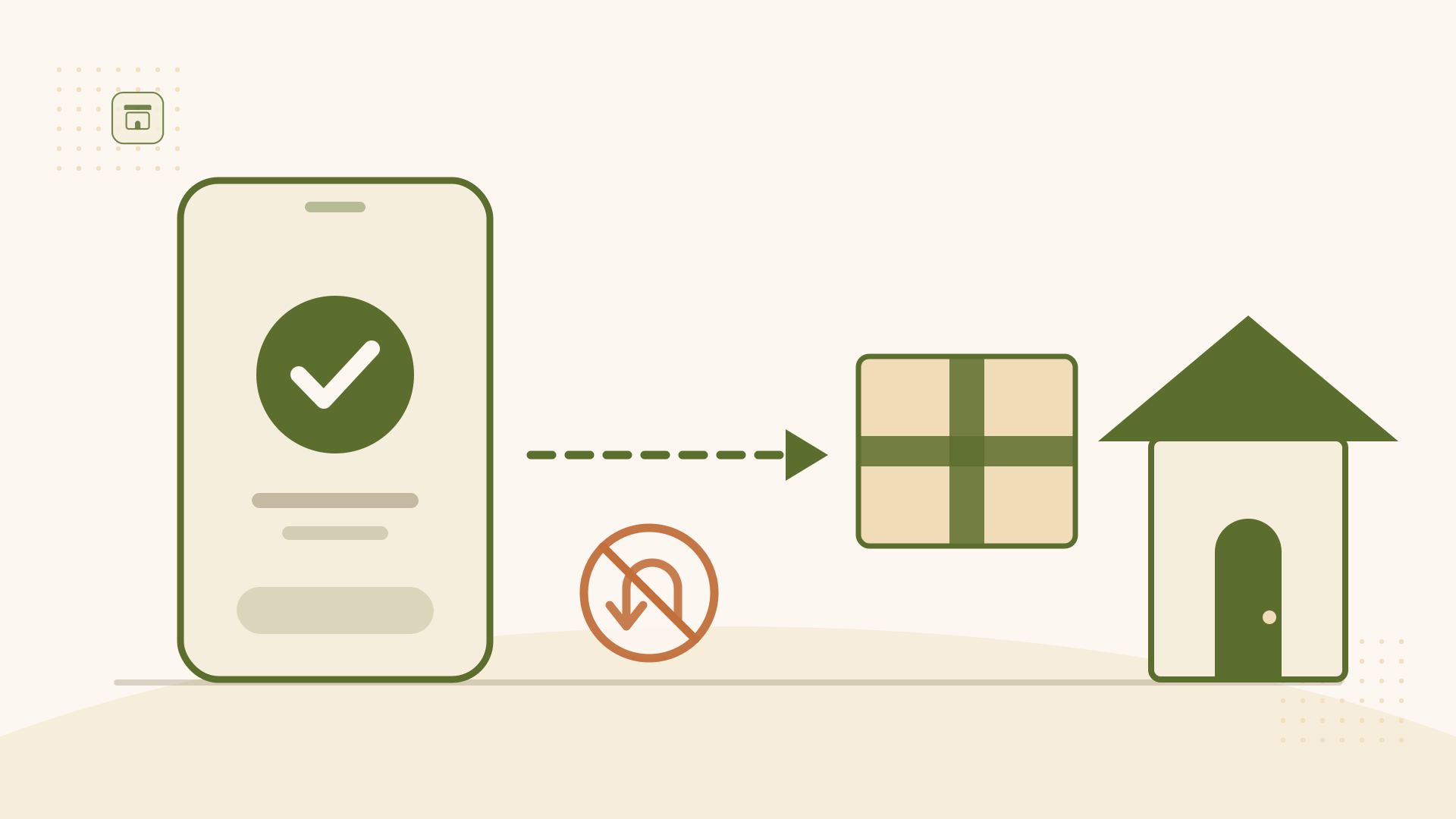
Street Bazaaar stocks trending products for delivery across India. Every product is prepaid, packed and dispatched by us, and picked by someone who opened the box first.